
Unsurprisingly, vinyl flooring—especially Luxury Vinyl Plank (LVP)—has become a go-to choice for busy households. It checks all the boxes: durable, easy to clean, stylish, and built to stand up to pets, kids, and Wisconsin weather. Whether you’re refreshing your kitchen, finishing a basement, or upgrading your entryway, LVP offers a look you’ll love with performance you can count on.
But there’s more to vinyl flooring than color and pattern. If you really want your floors to last, there’s one feature you need to pay attention to: the wear layer. This post will explain what it is, why it matters, and how it works with vinyl flooring thickness to protect your investment. Stick around—your future floors will thank you.
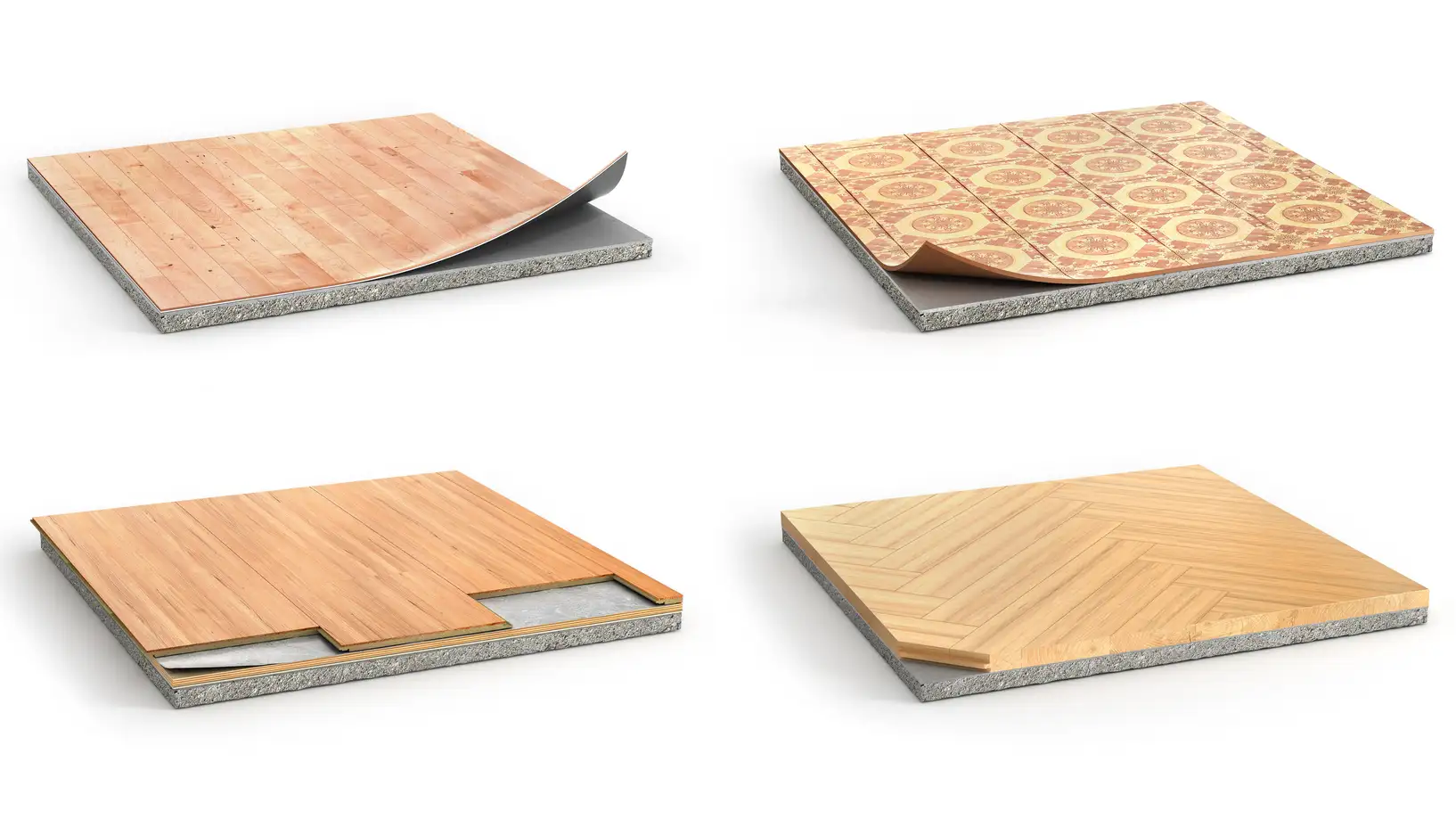
What Is a Wear Layer, and Why Does It Matter?
The wear layer is the top, transparent layer on your vinyl flooring. It’s designed to guard the surface from daily damage, such as scuffs, scratches, and stains. Think of it like armor—it’s invisible, but it does a lot of the heavy lifting.
This layer sits on top of the decorative print layer and takes the most damage. The thicker the wear layer, the more protection your floor has—and the longer it’ll look good.
Common Wear Vinyl Floor Thickness Options (and What They Mean)
Not all wear layers are created equal. Most range from 6 mil to 20 mil (mil = thousandths of an inch). Here’s a quick guide:
- 6–8 mil: Best for low-traffic areas like guest rooms or home offices.
- 12–16 mil: Ideal for typical household use with pets and kids.
- 20 mil+: Built for high-traffic homes or even light commercial use.
If you’re comparing LVT thickness or vinyl flooring thickness, remember that wear layer and total thickness are two different things—but both matter.
LVP Construction: What’s Beneath the Wear Layer?
The wear layer may get all the attention, but it’s just one piece of the puzzle. Here’s what makes up a typical LVP plank:
- Wear layer: for protection
- Decorative layer: for style
- Core: usually SPC (stone) or WPC (wood-polymer)
- Backing: for cushioning and sound reduction
Each layer affects the floor’s performance. For example, SPC cores are denser and more dent-resistant, which helps if you have chipped laminate flooring elsewhere in the house.
How Wear Layer Affects Durability and Longevity
The wear layer takes the brunt of your daily life. It’s what keeps your floors looking new year after year. A thicker layer means better resistance to:
- Scratches from furniture and pet nails
- Stains from spills
- General wear in high-traffic areas
Choosing the Right Thickness of LVP
Don’t overthink it—just match your LVP mil rating to your lifestyle:
- Big family? Go for 12–20 mil.
- Single person or low-traffic room? 6–8 mil works just fine.
- Pets or frequent guests? Bump up the wear layer for peace of mind.
Protect What You Love—Start with the Right Floor
You want your home to feel welcoming, clean, and built to last—and the right flooring is a huge part of that. At Badger State Flooring, we understand how important these decisions are. With years of local experience and a showroom full of options, we’re here to guide you every step of the way.
Need help finding the right floor? Let’s talk.